Home
How to control Maverick Spend in SAP environments in 2026

SAP
How to control Maverick Spend in SAP environments in 2026
Author
Michal Šula
March 25, 2026
In large organizations, not all spending follows defined procurement processes. Employees may place urgent orders outside approved workflows, departments may use unofficial suppliers, or commitments may be created before finance teams have visibility. This phenomenon – commonly known as maverick spend – remains one of the most persistent challenges in companies running SAP as their financial core. While SAP provides strong accounting governance, preventing uncontrolled spending requires additional operational controls and real-time visibility into procurement activities.
What is Maverick Spend
Maverick spend refers to purchases made outside approved procurement policies, contracts or workflows.
This can include:
purchases made without a purchase requisition
orders placed directly with suppliers
bypassing approval processes
exceeding predefined budgets
creating commitments before finance approval
In complex organizations operating across multiple entities, such behaviors can quickly accumulate into significant financial risk.
Why Maverick Spend still happens in SAP-driven companies
Despite robust ERP systems, many enterprises struggle to control operational procurement behavior.
SAP is typically designed as a system of record – capturing transactions once they occur.
However, real spending decisions often happen earlier:
during purchase requests
when negotiating with suppliers
when operational teams respond to urgent needs
when projects require fast execution
Without a dedicated governance layer managing these stages, spending can bypass structured processes.
The real cost of uncontrolled procurement
Maverick spend does not only impact budgets.
Organizations often experience:
reduced contract compliance
loss of negotiated supplier discounts
inaccurate financial forecasting
increased audit exposure
duplicated purchases
fragmented supplier relationships
Over time, these issues reduce both operational efficiency and strategic purchasing power.
How modern organizations control Maverick Spend
Leading enterprises increasingly implement Procure-to-Pay platforms integrated with SAP to introduce real-time control before transactions are posted.
Such platforms typically provide:
Centralized purchase requisition workflows
Ensuring that all spending requests are initiated through a structured process.
Budget validation before approval
Preventing commitments that exceed financial plans.
Multi-level approval governance
Allowing complex organizational rules to be enforced automatically.
Contract visibility
Ensuring employees use preferred suppliers and negotiated terms.
Commitment tracking
Giving finance teams early insight into future liabilities.
SAP as the financial core – governance as the operational layer
Rather than replacing SAP, modern procurement software acts as a control layer above ERP systems.
This architecture allows organizations to:
maintain SAP as the trusted financial system
manage operational procurement in a more agile environment
reduce manual corrections
improve transparency across entities
The role of platforms like INSIO
Organizations using INSIO alongside SAP gain real-time visibility into procurement workflows, commitments and document status.
By standardizing purchase requisitions, approvals and invoice processing across entities, companies can significantly reduce uncontrolled spending and strengthen financial governance.
This approach enables both operational flexibility and stronger cost discipline.
Key questions to ask when addressing Maverick Spend
Do employees have an easy way to submit purchase requests?
Are approvals enforced consistently across entities?
Can finance teams see commitments before invoices arrive?
Are contracts visible at the moment of purchase?
Is procurement data fragmented across systems?
Answering these questions helps organizations identify where uncontrolled spending originates.
Conclusion
Controlling maverick spend is not only about enforcing rules – it is about designing procurement processes that employees are willing to follow.
By combining SAP’s financial strength with modern procurement governance platforms, organizations can gain earlier visibility, reduce risk and build more predictable cost management practices.
In increasingly complex enterprise environments, this layered approach is becoming essential for sustainable growth.
More articles

František Hás
6/12/26

Veronika Zemanová
6/5/26
"Thanks to INSIO, we have reduced the time for administrative work related to business trips, as well as errors and costs. We have achieved efficient work on shared documents online."

Roman Marsa
Project Manager
Porsche Czech Republic
"INSIO has enabled us to precisely plan and oversee inspections and maintenance, allowing us to comfortably manage our stores."

Petr Choděra
Facility Manager
XXXLutz
"INSIO software monitors all maintenance, inspections, and work deadlines for us. Thanks to this, we have a complete overview of all activities in our buildings and facilities."

Tomáš Korpáš
Facility Management Director
ENGIE Services
"We had a vision of a paperless office. Thanks to INSIO, we have had a digital office since 2014."

David Jelen
CFO
NeoVize
"We have an overview of the entire purchasing process from orders, requisitions, invoice approval to documentation and access to all documents. All thanks to INSIO."
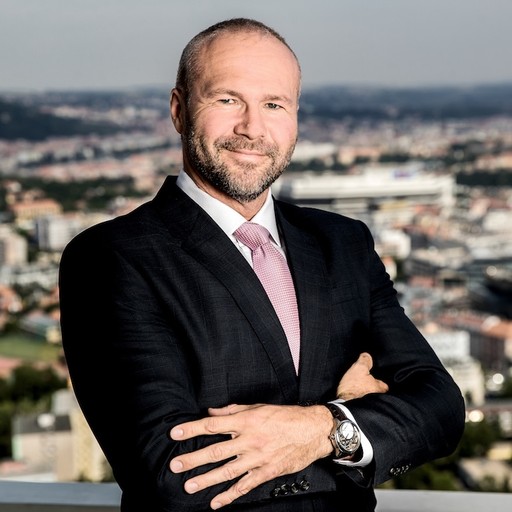
Marek Unčovský
Founder
RN Solutions a.s.
"Our invoice approval process across the entire group is now much faster. We have better oversight of processes and costs under control at the level of individual centers."
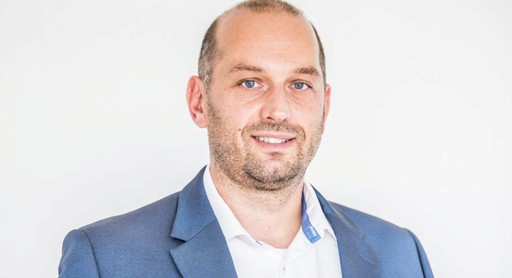
Květoslav Vilímek
CFO
COMFORT FINANCE GROUP CFG LTD
"Travel orders have been significantly simplified and clarified. Thanks to easy and quick approval, we can devote more time to our main activities in the field of pumps and valves."

Blanka Kašáková
Executive assistent
KSB - PUMPY + ARMATURY
"The Helpdesk module has given us control over the management of our facilities. We have streamlined financial and operational processes, allowing us to focus on providing quality services to our clients."
Dušan Jedinák
Operative Director
KART s.r.o.
"The process from recording service tasks to invoicing has been simplified for us. Thanks to checklists and mobile signing, we have shortened the processing time."
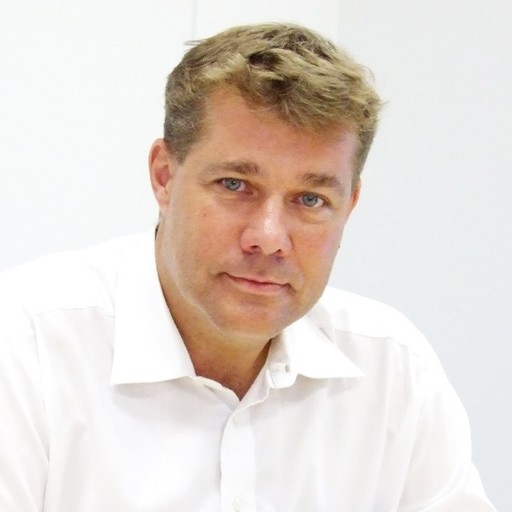
Stanislav Stejskal
CFO
ALTRON a.s.
"The helpdesk from INSIO has brought order to our company. Now we communicate efficiently with customers and handle their requests quickly and on time."
Tomáš Korpáš
Facility Management Director
ENGIE Services
"The online approval of purchase orders and an overview of the costs of individual objects enabled us to reduce the overall costs of our clients and optimize the delivery of our services."
Tomáš Korpáš
Facility Management Director
ENGIE Services a.s.
"Task automation has allowed us to dedicate more time to strategic activities and employee development. Our HR processes are now simpler."

Lucie Urbanová
Head of HR
YOUPLUS životní pojišťovna
"Thanks to INSIO, we have reduced the time for administrative work related to business trips, as well as errors and costs. We have achieved efficient work on shared documents online."
Roman Marsa
Project Manager
Porsche Czech Republic
"INSIO has enabled us to precisely plan and oversee inspections and maintenance, allowing us to comfortably manage our stores."
Petr Choděra
Facility Manager
XXXLutz
"INSIO software monitors all maintenance, inspections, and work deadlines for us. Thanks to this, we have a complete overview of all activities in our buildings and facilities."
Tomáš Korpáš
Facility Management Director
ENGIE Services
"We had a vision of a paperless office. Thanks to INSIO, we have had a digital office since 2014."
David Jelen
CFO
NeoVize
"We have an overview of the entire purchasing process from orders, requisitions, invoice approval to documentation and access to all documents. All thanks to INSIO."
Marek Unčovský
Founder
RN Solutions a.s.
"Our invoice approval process across the entire group is now much faster. We have better oversight of processes and costs under control at the level of individual centers."
Květoslav Vilímek
CFO
COMFORT FINANCE GROUP CFG LTD
"Travel orders have been significantly simplified and clarified. Thanks to easy and quick approval, we can devote more time to our main activities in the field of pumps and valves."
Blanka Kašáková
Executive assistent
KSB - PUMPY + ARMATURY
"The Helpdesk module has given us control over the management of our facilities. We have streamlined financial and operational processes, allowing us to focus on providing quality services to our clients."
Dušan Jedinák
Operative Director
KART s.r.o.
"The process from recording service tasks to invoicing has been simplified for us. Thanks to checklists and mobile signing, we have shortened the processing time."
Stanislav Stejskal
CFO
ALTRON a.s.
"The helpdesk from INSIO has brought order to our company. Now we communicate efficiently with customers and handle their requests quickly and on time."
Tomáš Korpáš
Facility Management Director
ENGIE Services
"The online approval of purchase orders and an overview of the costs of individual objects enabled us to reduce the overall costs of our clients and optimize the delivery of our services."
Tomáš Korpáš
Facility Management Director
ENGIE Services a.s.
"Task automation has allowed us to dedicate more time to strategic activities and employee development. Our HR processes are now simpler."
Lucie Urbanová
Head of HR
YOUPLUS životní pojišťovna
"Thanks to INSIO, we have reduced the time for administrative work related to business trips, as well as errors and costs. We have achieved efficient work on shared documents online."
Roman Marsa
Project Manager
Porsche Czech Republic
"INSIO has enabled us to precisely plan and oversee inspections and maintenance, allowing us to comfortably manage our stores."
Petr Choděra
Facility Manager
XXXLutz
"INSIO software monitors all maintenance, inspections, and work deadlines for us. Thanks to this, we have a complete overview of all activities in our buildings and facilities."
Tomáš Korpáš
Facility Management Director
ENGIE Services
"We had a vision of a paperless office. Thanks to INSIO, we have had a digital office since 2014."
David Jelen
CFO
NeoVize
"We have an overview of the entire purchasing process from orders, requisitions, invoice approval to documentation and access to all documents. All thanks to INSIO."
Marek Unčovský
Founder
RN Solutions a.s.
"Our invoice approval process across the entire group is now much faster. We have better oversight of processes and costs under control at the level of individual centers."
Květoslav Vilímek
CFO
COMFORT FINANCE GROUP CFG LTD
"Travel orders have been significantly simplified and clarified. Thanks to easy and quick approval, we can devote more time to our main activities in the field of pumps and valves."
Blanka Kašáková
Executive assistent
KSB - PUMPY + ARMATURY
"The Helpdesk module has given us control over the management of our facilities. We have streamlined financial and operational processes, allowing us to focus on providing quality services to our clients."
Dušan Jedinák
Operative Director
KART s.r.o.
"The process from recording service tasks to invoicing has been simplified for us. Thanks to checklists and mobile signing, we have shortened the processing time."
Stanislav Stejskal
CFO
ALTRON a.s.
"The helpdesk from INSIO has brought order to our company. Now we communicate efficiently with customers and handle their requests quickly and on time."
Tomáš Korpáš
Facility Management Director
ENGIE Services
"The online approval of purchase orders and an overview of the costs of individual objects enabled us to reduce the overall costs of our clients and optimize the delivery of our services."
Tomáš Korpáš
Facility Management Director
ENGIE Services a.s.
"Task automation has allowed us to dedicate more time to strategic activities and employee development. Our HR processes are now simpler."
Lucie Urbanová
Head of HR
YOUPLUS životní pojišťovna
"Thanks to INSIO, we have reduced the time for administrative work related to business trips, as well as errors and costs. We have achieved efficient work on shared documents online."
Roman Marsa
Project Manager
Porsche Czech Republic
"INSIO has enabled us to precisely plan and oversee inspections and maintenance, allowing us to comfortably manage our stores."
Petr Choděra
Facility Manager
XXXLutz
"INSIO software monitors all maintenance, inspections, and work deadlines for us. Thanks to this, we have a complete overview of all activities in our buildings and facilities."
Tomáš Korpáš
Facility Management Director
ENGIE Services
"We had a vision of a paperless office. Thanks to INSIO, we have had a digital office since 2014."
David Jelen
CFO
NeoVize
"We have an overview of the entire purchasing process from orders, requisitions, invoice approval to documentation and access to all documents. All thanks to INSIO."
Marek Unčovský
Founder
RN Solutions a.s.
"Our invoice approval process across the entire group is now much faster. We have better oversight of processes and costs under control at the level of individual centers."
Květoslav Vilímek
CFO
COMFORT FINANCE GROUP CFG LTD
"Travel orders have been significantly simplified and clarified. Thanks to easy and quick approval, we can devote more time to our main activities in the field of pumps and valves."
Blanka Kašáková
Executive assistent
KSB - PUMPY + ARMATURY
"The Helpdesk module has given us control over the management of our facilities. We have streamlined financial and operational processes, allowing us to focus on providing quality services to our clients."
Dušan Jedinák
Operative Director
KART s.r.o.
"The process from recording service tasks to invoicing has been simplified for us. Thanks to checklists and mobile signing, we have shortened the processing time."
Stanislav Stejskal
CFO
ALTRON a.s.
"The helpdesk from INSIO has brought order to our company. Now we communicate efficiently with customers and handle their requests quickly and on time."
Tomáš Korpáš
Facility Management Director
ENGIE Services
"The online approval of purchase orders and an overview of the costs of individual objects enabled us to reduce the overall costs of our clients and optimize the delivery of our services."
Tomáš Korpáš
Facility Management Director
ENGIE Services a.s.
"Task automation has allowed us to dedicate more time to strategic activities and employee development. Our HR processes are now simpler."
Lucie Urbanová
Head of HR
YOUPLUS životní pojišťovna
"Thanks to INSIO, we have reduced the time for administrative work related to business trips, as well as errors and costs. We have achieved efficient work on shared documents online."
Roman Marsa
Project Manager
Porsche Czech Republic
"INSIO has enabled us to precisely plan and oversee inspections and maintenance, allowing us to comfortably manage our stores."
Petr Choděra
Facility Manager
XXXLutz
"INSIO software monitors all maintenance, inspections, and work deadlines for us. Thanks to this, we have a complete overview of all activities in our buildings and facilities."
Tomáš Korpáš
Facility Management Director
ENGIE Services
"We had a vision of a paperless office. Thanks to INSIO, we have had a digital office since 2014."
David Jelen
CFO
NeoVize
"We have an overview of the entire purchasing process from orders, requisitions, invoice approval to documentation and access to all documents. All thanks to INSIO."
Marek Unčovský
Founder
RN Solutions a.s.
"Our invoice approval process across the entire group is now much faster. We have better oversight of processes and costs under control at the level of individual centers."
Květoslav Vilímek
CFO
COMFORT FINANCE GROUP CFG LTD
"Travel orders have been significantly simplified and clarified. Thanks to easy and quick approval, we can devote more time to our main activities in the field of pumps and valves."
Blanka Kašáková
Executive assistent
KSB - PUMPY + ARMATURY
"The Helpdesk module has given us control over the management of our facilities. We have streamlined financial and operational processes, allowing us to focus on providing quality services to our clients."
Dušan Jedinák
Operative Director
KART s.r.o.
"The process from recording service tasks to invoicing has been simplified for us. Thanks to checklists and mobile signing, we have shortened the processing time."
Stanislav Stejskal
CFO
ALTRON a.s.
"The helpdesk from INSIO has brought order to our company. Now we communicate efficiently with customers and handle their requests quickly and on time."
Tomáš Korpáš
Facility Management Director
ENGIE Services
"The online approval of purchase orders and an overview of the costs of individual objects enabled us to reduce the overall costs of our clients and optimize the delivery of our services."
Tomáš Korpáš
Facility Management Director
ENGIE Services a.s.
"Task automation has allowed us to dedicate more time to strategic activities and employee development. Our HR processes are now simpler."
Lucie Urbanová
Head of HR
YOUPLUS životní pojišťovna
"Thanks to INSIO, we have reduced the time for administrative work related to business trips, as well as errors and costs. We have achieved efficient work on shared documents online."
Roman Marsa
Project Manager
Porsche Czech Republic
"INSIO has enabled us to precisely plan and oversee inspections and maintenance, allowing us to comfortably manage our stores."
Petr Choděra
Facility Manager
XXXLutz
"INSIO software monitors all maintenance, inspections, and work deadlines for us. Thanks to this, we have a complete overview of all activities in our buildings and facilities."
Tomáš Korpáš
Facility Management Director
ENGIE Services
"We had a vision of a paperless office. Thanks to INSIO, we have had a digital office since 2014."
David Jelen
CFO
NeoVize
"We have an overview of the entire purchasing process from orders, requisitions, invoice approval to documentation and access to all documents. All thanks to INSIO."
Marek Unčovský
Founder
RN Solutions a.s.
"Our invoice approval process across the entire group is now much faster. We have better oversight of processes and costs under control at the level of individual centers."
Květoslav Vilímek
CFO
COMFORT FINANCE GROUP CFG LTD
"Travel orders have been significantly simplified and clarified. Thanks to easy and quick approval, we can devote more time to our main activities in the field of pumps and valves."
Blanka Kašáková
Executive assistent
KSB - PUMPY + ARMATURY
"The Helpdesk module has given us control over the management of our facilities. We have streamlined financial and operational processes, allowing us to focus on providing quality services to our clients."
Dušan Jedinák
Operative Director
KART s.r.o.
"The process from recording service tasks to invoicing has been simplified for us. Thanks to checklists and mobile signing, we have shortened the processing time."
Stanislav Stejskal
CFO
ALTRON a.s.
"The helpdesk from INSIO has brought order to our company. Now we communicate efficiently with customers and handle their requests quickly and on time."
Tomáš Korpáš
Facility Management Director
ENGIE Services
"The online approval of purchase orders and an overview of the costs of individual objects enabled us to reduce the overall costs of our clients and optimize the delivery of our services."
Tomáš Korpáš
Facility Management Director
ENGIE Services a.s.
"Task automation has allowed us to dedicate more time to strategic activities and employee development. Our HR processes are now simpler."
Lucie Urbanová
Head of HR
YOUPLUS životní pojišťovna
"Thanks to INSIO, we have reduced the time for administrative work related to business trips, as well as errors and costs. We have achieved efficient work on shared documents online."
Roman Marsa
Project Manager
Porsche Czech Republic
"INSIO has enabled us to precisely plan and oversee inspections and maintenance, allowing us to comfortably manage our stores."
Petr Choděra
Facility Manager
XXXLutz
"INSIO software monitors all maintenance, inspections, and work deadlines for us. Thanks to this, we have a complete overview of all activities in our buildings and facilities."
Tomáš Korpáš
Facility Management Director
ENGIE Services
"We had a vision of a paperless office. Thanks to INSIO, we have had a digital office since 2014."
David Jelen
CFO
NeoVize
"We have an overview of the entire purchasing process from orders, requisitions, invoice approval to documentation and access to all documents. All thanks to INSIO."
Marek Unčovský
Founder
RN Solutions a.s.
"Our invoice approval process across the entire group is now much faster. We have better oversight of processes and costs under control at the level of individual centers."
Květoslav Vilímek
CFO
COMFORT FINANCE GROUP CFG LTD
"Travel orders have been significantly simplified and clarified. Thanks to easy and quick approval, we can devote more time to our main activities in the field of pumps and valves."
Blanka Kašáková
Executive assistent
KSB - PUMPY + ARMATURY
"The Helpdesk module has given us control over the management of our facilities. We have streamlined financial and operational processes, allowing us to focus on providing quality services to our clients."
Dušan Jedinák
Operative Director
KART s.r.o.
"The process from recording service tasks to invoicing has been simplified for us. Thanks to checklists and mobile signing, we have shortened the processing time."
Stanislav Stejskal
CFO
ALTRON a.s.
"The helpdesk from INSIO has brought order to our company. Now we communicate efficiently with customers and handle their requests quickly and on time."
Tomáš Korpáš
Facility Management Director
ENGIE Services
"The online approval of purchase orders and an overview of the costs of individual objects enabled us to reduce the overall costs of our clients and optimize the delivery of our services."
Tomáš Korpáš
Facility Management Director
ENGIE Services a.s.
"Task automation has allowed us to dedicate more time to strategic activities and employee development. Our HR processes are now simpler."
Lucie Urbanová
Head of HR
YOUPLUS životní pojišťovna
"Thanks to INSIO, we have reduced the time for administrative work related to business trips, as well as errors and costs. We have achieved efficient work on shared documents online."
Roman Marsa
Project Manager
Porsche Czech Republic
"INSIO has enabled us to precisely plan and oversee inspections and maintenance, allowing us to comfortably manage our stores."
Petr Choděra
Facility Manager
XXXLutz
"INSIO software monitors all maintenance, inspections, and work deadlines for us. Thanks to this, we have a complete overview of all activities in our buildings and facilities."
Tomáš Korpáš
Facility Management Director
ENGIE Services
"We had a vision of a paperless office. Thanks to INSIO, we have had a digital office since 2014."
David Jelen
CFO
NeoVize
"We have an overview of the entire purchasing process from orders, requisitions, invoice approval to documentation and access to all documents. All thanks to INSIO."
Marek Unčovský
Founder
RN Solutions a.s.
"Our invoice approval process across the entire group is now much faster. We have better oversight of processes and costs under control at the level of individual centers."
Květoslav Vilímek
CFO
COMFORT FINANCE GROUP CFG LTD
"Travel orders have been significantly simplified and clarified. Thanks to easy and quick approval, we can devote more time to our main activities in the field of pumps and valves."
Blanka Kašáková
Executive assistent
KSB - PUMPY + ARMATURY
"The Helpdesk module has given us control over the management of our facilities. We have streamlined financial and operational processes, allowing us to focus on providing quality services to our clients."
Dušan Jedinák
Operative Director
KART s.r.o.
"The process from recording service tasks to invoicing has been simplified for us. Thanks to checklists and mobile signing, we have shortened the processing time."
Stanislav Stejskal
CFO
ALTRON a.s.
"The helpdesk from INSIO has brought order to our company. Now we communicate efficiently with customers and handle their requests quickly and on time."
Tomáš Korpáš
Facility Management Director
ENGIE Services
"The online approval of purchase orders and an overview of the costs of individual objects enabled us to reduce the overall costs of our clients and optimize the delivery of our services."
Tomáš Korpáš
Facility Management Director
ENGIE Services a.s.
"Task automation has allowed us to dedicate more time to strategic activities and employee development. Our HR processes are now simpler."
Lucie Urbanová
Head of HR
YOUPLUS životní pojišťovna
"Thanks to INSIO, we have reduced the time for administrative work related to business trips, as well as errors and costs. We have achieved efficient work on shared documents online."
Roman Marsa
Project Manager
Porsche Czech Republic
"INSIO has enabled us to precisely plan and oversee inspections and maintenance, allowing us to comfortably manage our stores."
Petr Choděra
Facility Manager
XXXLutz
"INSIO software monitors all maintenance, inspections, and work deadlines for us. Thanks to this, we have a complete overview of all activities in our buildings and facilities."
Tomáš Korpáš
Facility Management Director
ENGIE Services
"We had a vision of a paperless office. Thanks to INSIO, we have had a digital office since 2014."
David Jelen
CFO
NeoVize
"We have an overview of the entire purchasing process from orders, requisitions, invoice approval to documentation and access to all documents. All thanks to INSIO."
Marek Unčovský
Founder
RN Solutions a.s.
"Our invoice approval process across the entire group is now much faster. We have better oversight of processes and costs under control at the level of individual centers."
Květoslav Vilímek
CFO
COMFORT FINANCE GROUP CFG LTD
"Travel orders have been significantly simplified and clarified. Thanks to easy and quick approval, we can devote more time to our main activities in the field of pumps and valves."
Blanka Kašáková
Executive assistent
KSB - PUMPY + ARMATURY
"The Helpdesk module has given us control over the management of our facilities. We have streamlined financial and operational processes, allowing us to focus on providing quality services to our clients."
Dušan Jedinák
Operative Director
KART s.r.o.
"The process from recording service tasks to invoicing has been simplified for us. Thanks to checklists and mobile signing, we have shortened the processing time."
Stanislav Stejskal
CFO
ALTRON a.s.
"The helpdesk from INSIO has brought order to our company. Now we communicate efficiently with customers and handle their requests quickly and on time."
Tomáš Korpáš
Facility Management Director
ENGIE Services
"The online approval of purchase orders and an overview of the costs of individual objects enabled us to reduce the overall costs of our clients and optimize the delivery of our services."
Tomáš Korpáš
Facility Management Director
ENGIE Services a.s.
"Task automation has allowed us to dedicate more time to strategic activities and employee development. Our HR processes are now simpler."
Lucie Urbanová
Head of HR
YOUPLUS životní pojišťovna
"Thanks to INSIO, we have reduced the time for administrative work related to business trips, as well as errors and costs. We have achieved efficient work on shared documents online."
Roman Marsa
Project Manager
Porsche Czech Republic
"INSIO has enabled us to precisely plan and oversee inspections and maintenance, allowing us to comfortably manage our stores."
Petr Choděra
Facility Manager
XXXLutz
"INSIO software monitors all maintenance, inspections, and work deadlines for us. Thanks to this, we have a complete overview of all activities in our buildings and facilities."
Tomáš Korpáš
Facility Management Director
ENGIE Services
"We had a vision of a paperless office. Thanks to INSIO, we have had a digital office since 2014."
David Jelen
CFO
NeoVize
"We have an overview of the entire purchasing process from orders, requisitions, invoice approval to documentation and access to all documents. All thanks to INSIO."
Marek Unčovský
Founder
RN Solutions a.s.
"Our invoice approval process across the entire group is now much faster. We have better oversight of processes and costs under control at the level of individual centers."
Květoslav Vilímek
CFO
COMFORT FINANCE GROUP CFG LTD
"Travel orders have been significantly simplified and clarified. Thanks to easy and quick approval, we can devote more time to our main activities in the field of pumps and valves."
Blanka Kašáková
Executive assistent
KSB - PUMPY + ARMATURY
"The Helpdesk module has given us control over the management of our facilities. We have streamlined financial and operational processes, allowing us to focus on providing quality services to our clients."
Dušan Jedinák
Operative Director
KART s.r.o.
"The process from recording service tasks to invoicing has been simplified for us. Thanks to checklists and mobile signing, we have shortened the processing time."
Stanislav Stejskal
CFO
ALTRON a.s.
"The helpdesk from INSIO has brought order to our company. Now we communicate efficiently with customers and handle their requests quickly and on time."
Tomáš Korpáš
Facility Management Director
ENGIE Services
"The online approval of purchase orders and an overview of the costs of individual objects enabled us to reduce the overall costs of our clients and optimize the delivery of our services."
Tomáš Korpáš
Facility Management Director
ENGIE Services a.s.
"Task automation has allowed us to dedicate more time to strategic activities and employee development. Our HR processes are now simpler."
Lucie Urbanová
Head of HR
YOUPLUS životní pojišťovna
"Thanks to INSIO, we have reduced the time for administrative work related to business trips, as well as errors and costs. We have achieved efficient work on shared documents online."
Roman Marsa
Project Manager
Porsche Czech Republic
"INSIO has enabled us to precisely plan and oversee inspections and maintenance, allowing us to comfortably manage our stores."
Petr Choděra
Facility Manager
XXXLutz
"INSIO software monitors all maintenance, inspections, and work deadlines for us. Thanks to this, we have a complete overview of all activities in our buildings and facilities."
Tomáš Korpáš
Facility Management Director
ENGIE Services
"We had a vision of a paperless office. Thanks to INSIO, we have had a digital office since 2014."
David Jelen
CFO
NeoVize
"We have an overview of the entire purchasing process from orders, requisitions, invoice approval to documentation and access to all documents. All thanks to INSIO."
Marek Unčovský
Founder
RN Solutions a.s.
"Our invoice approval process across the entire group is now much faster. We have better oversight of processes and costs under control at the level of individual centers."
Květoslav Vilímek
CFO
COMFORT FINANCE GROUP CFG LTD
"Travel orders have been significantly simplified and clarified. Thanks to easy and quick approval, we can devote more time to our main activities in the field of pumps and valves."
Blanka Kašáková
Executive assistent
KSB - PUMPY + ARMATURY
"The Helpdesk module has given us control over the management of our facilities. We have streamlined financial and operational processes, allowing us to focus on providing quality services to our clients."
Dušan Jedinák
Operative Director
KART s.r.o.
"The process from recording service tasks to invoicing has been simplified for us. Thanks to checklists and mobile signing, we have shortened the processing time."
Stanislav Stejskal
CFO
ALTRON a.s.
"The helpdesk from INSIO has brought order to our company. Now we communicate efficiently with customers and handle their requests quickly and on time."
Tomáš Korpáš
Facility Management Director
ENGIE Services
"The online approval of purchase orders and an overview of the costs of individual objects enabled us to reduce the overall costs of our clients and optimize the delivery of our services."
Tomáš Korpáš
Facility Management Director
ENGIE Services a.s.
"Task automation has allowed us to dedicate more time to strategic activities and employee development. Our HR processes are now simpler."
Lucie Urbanová
Head of HR
YOUPLUS životní pojišťovna
"Thanks to INSIO, we have reduced the time for administrative work related to business trips, as well as errors and costs. We have achieved efficient work on shared documents online."
Roman Marsa
Project Manager
Porsche Czech Republic
"INSIO has enabled us to precisely plan and oversee inspections and maintenance, allowing us to comfortably manage our stores."
Petr Choděra
Facility Manager
XXXLutz
"INSIO software monitors all maintenance, inspections, and work deadlines for us. Thanks to this, we have a complete overview of all activities in our buildings and facilities."
Tomáš Korpáš
Facility Management Director
ENGIE Services
"We had a vision of a paperless office. Thanks to INSIO, we have had a digital office since 2014."
David Jelen
CFO
NeoVize
"We have an overview of the entire purchasing process from orders, requisitions, invoice approval to documentation and access to all documents. All thanks to INSIO."
Marek Unčovský
Founder
RN Solutions a.s.
"Our invoice approval process across the entire group is now much faster. We have better oversight of processes and costs under control at the level of individual centers."
Květoslav Vilímek
CFO
COMFORT FINANCE GROUP CFG LTD
"Travel orders have been significantly simplified and clarified. Thanks to easy and quick approval, we can devote more time to our main activities in the field of pumps and valves."
Blanka Kašáková
Executive assistent
KSB - PUMPY + ARMATURY
"The Helpdesk module has given us control over the management of our facilities. We have streamlined financial and operational processes, allowing us to focus on providing quality services to our clients."
Dušan Jedinák
Operative Director
KART s.r.o.
"The process from recording service tasks to invoicing has been simplified for us. Thanks to checklists and mobile signing, we have shortened the processing time."
Stanislav Stejskal
CFO
ALTRON a.s.
"The helpdesk from INSIO has brought order to our company. Now we communicate efficiently with customers and handle their requests quickly and on time."
Tomáš Korpáš
Facility Management Director
ENGIE Services
"The online approval of purchase orders and an overview of the costs of individual objects enabled us to reduce the overall costs of our clients and optimize the delivery of our services."
Tomáš Korpáš
Facility Management Director
ENGIE Services a.s.
"Task automation has allowed us to dedicate more time to strategic activities and employee development. Our HR processes are now simpler."
Lucie Urbanová
Head of HR
YOUPLUS životní pojišťovna
